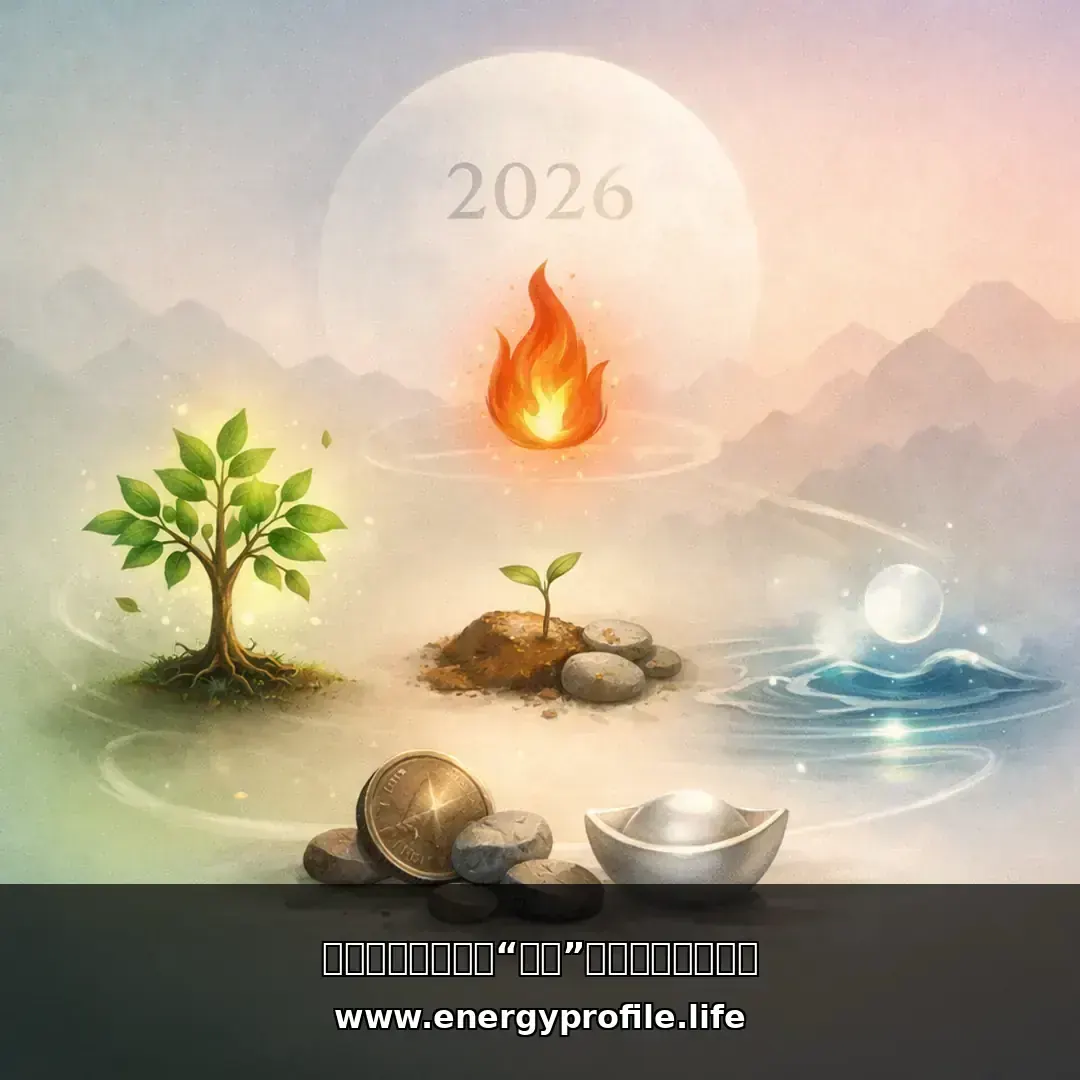
If your Five Elements profile leans Wood, money often feels most alive when it is moving toward something larger. Wood energy wants growth, direction, and a sense that today's effort can become tomorrow's strength. That said, growth without structure can become overextension. This guide is not investment advice. It is a calm, Five Elements-inspired framework for how Wood types can think about asset allocation in 2026 with ambition and balance.
TL;DR
- Wood types often do best with an allocation that leaves room for growth without starving stability.
- A growth mindset works best when paired with pacing, diversification, and clear rebalancing rules.
- In 2026, Wood energy benefits from steady expansion rather than constant acceleration.
Quick start: Divide your current money plan into three buckets: safety, steady growth, and optional upside. If one bucket dominates everything else, your system may be out of balance.
Why Wood energy sees money through a growth lens
Wood energy is associated with growth, planning, vision, and upward movement. When this energy is healthy, it creates patience, learning, and long-term momentum. When stressed, Wood can become restless, scattered, or overly attached to future potential while ignoring present limits.
That is why asset allocation matters so much for Wood types. It turns a vague desire for more into a structure that channels growth into something sustainable.
A balanced allocation mindset for Wood types
For Wood energy, the goal is usually not maximum safety and not maximum excitement. The better fit is a structure that protects the roots while still feeding future growth. In practical terms, that often means making sure one part of your money supports resilience, one part supports steady long-term compounding, and one part allows for selective experimentation.
Wood types often feel calmer when they know they have not killed growth with fear, but they also have not overcommitted to every new opportunity that looks promising.
- Safety bucket: cash reserve, essential protection, and near-term stability.
- Core growth bucket: broad, repeatable, long-term allocation you can keep.
- Optional upside bucket: smaller, higher-conviction ideas with clear limits.
Three common allocation traps for Wood energy
1) Confusing motion with progress
Because Wood likes movement, it can be tempting to keep adjusting, researching, and reallocating. But constant motion is not the same as stronger positioning. A good allocation should reduce noise, not feed it.
2) Overweighting future stories
Wood types often love potential. That can be a strength, especially in innovation or long-range themes. But if the portfolio becomes mostly about what might happen later, it may lose the grounding that makes growth survivable.
3) Expanding faster than your emotional capacity
An allocation can look sensible on paper but still feel too volatile in real life. If your body and attention cannot hold the pace, the strategy is probably too stretched.
How to make a growth mindset more useful in 2026
A mature Wood strategy in 2026 is less about chasing the fastest branch and more about strengthening the whole tree. Growth becomes healthier when you pair optimism with review points, contribution habits, and a willingness to trim what is no longer serving the bigger structure.
This is where Metal support helps Wood: rules, clarity, and rebalancing discipline. A growth mindset works better when it does not have to improvise every week.
- Choose a rebalance rhythm instead of reacting to every market move.
- Add money on a schedule where possible, not only when you feel inspired.
- Keep your optional bets small enough that they do not destabilize the whole system.
Key takeaways
- Wood types usually need an allocation that protects stability while still honoring growth.
- The strongest 2026 strategy is patient expansion, not scattered acceleration.
- Rules and review points help growth become compounding instead of chaos.
Related Guidance
Try it now: Review your current allocation and ask whether it supports both your roots and your direction. If you want a broader read on your natural pace, growth style, and risk rhythm, open your Full Energy Report.